

Howell Township is considering
a rezoning proposal that would
turn over 1,000 acres of farmland
into an AI data center.
Why We Are Concerned
-

Water Risk & Aquifer Vulnerability
Large data centers can withdraw millions of gallons of water per day, impacting the health of our local aquifer, our wells, rivers and streams, and lakes. Recently, the Alliance for the Great Lakes reported that Michigan water is at risk if serious planning, policy, and regulations are not put into place to protect our water system.
References: A Finite Resource: Managing the Growing Water Needs of Data Centers, Critical Minerals Mining, and Agriculture in the Great Lakes Region
-

Electric Grid Strain & Rising Bills
Large data centers can use the electricity equivalent to an entire city or 50,000 households! This often requires major substation, line, and generation upgrades to meet power demand. Without strong protections and oversight, costs can shift to residents leading to increased electricity bills.
References: Data Centers in Michigan - What You Need to Know (Michigan Radio)
-

Taxes & Incentives
Michigan now offers broad sales and use tax exemptions for certified “enterprise data centers” on construction materials, servers, and equipment through 2050 (or 2065 on brownfields/former power plant sites). Projects need at least $250M capital investment and 30 new jobs at ≥150% of regional median wage, but the exemptions can still exceed local fiscal benefits—especially if local 50% property tax abatements are added. Communities must evaluate net fiscal impact, not headlines.
References: 2024 Public Acts 181 & 207; local abatements under PA 198/Commercial Rehab require local approval.
-

Industrial Development That Doesn’t Fit Our Rural Community
Hyperscale footprints, 24/7 noise, diesel backup fleets, heavy truck traffic, and security fencing conflict do not align or co-exist with agricultural and residential areas or the County Master Plan’s goals of preserving the rural character of the community and prioritizing low-impact development.
Reference: Livingston County Master Plan (2018) goals on natural resources, agriculture, and infrastructure alignment.
-
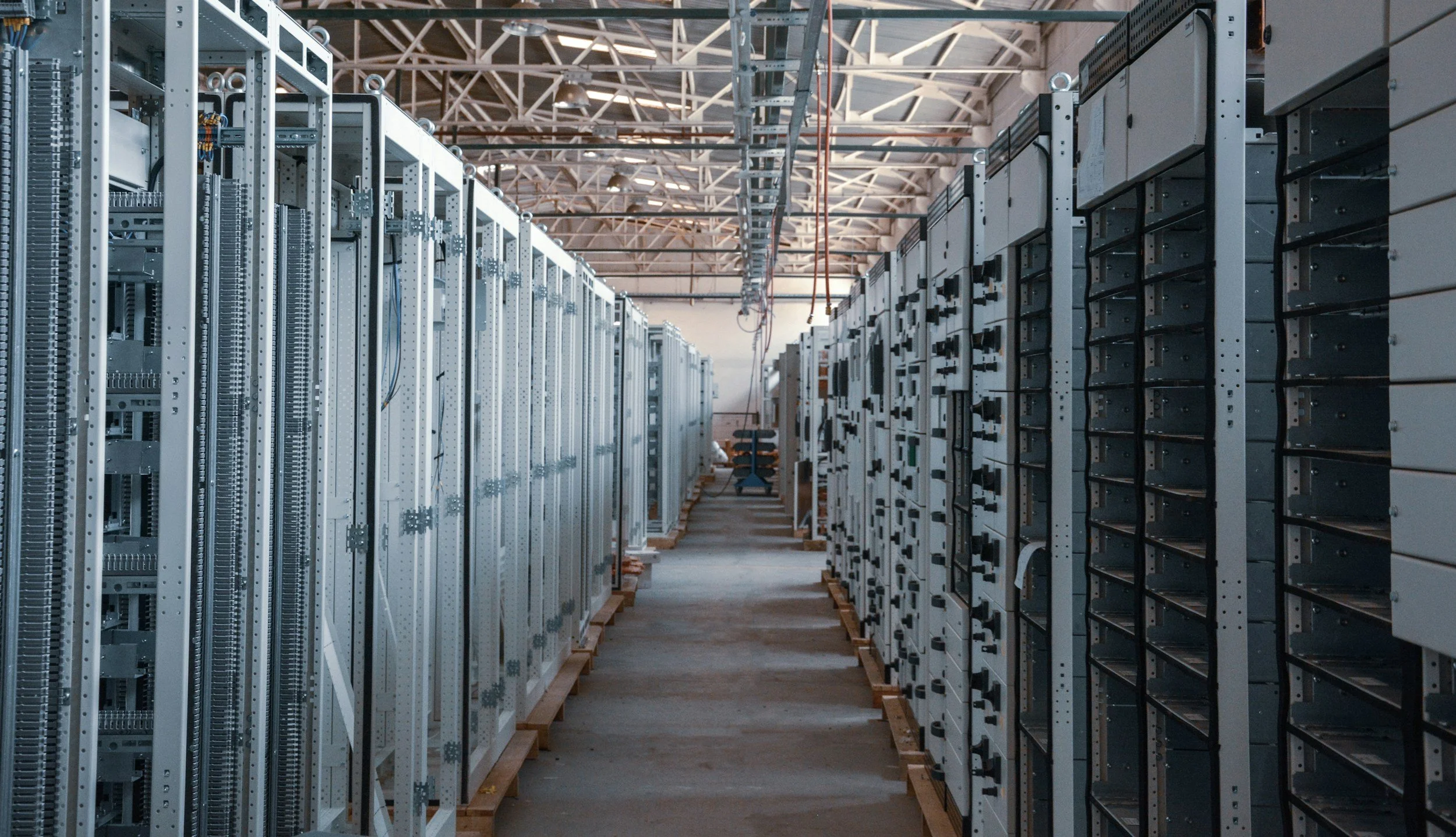
Big Tax Breaks, Small Job Creation, and Long-Term Financial Risk
Data centers have a limited life span of 15-20 years. After a decade-long and disruptive construction period, there are a few short years where additional tax revenue is experienced before the facilities reach obsolescence. The distinct design of data center buildings makes repurposing them near impossible. Abandoned data centers leave loss of tax revenue, blight that deters new business from investing in the area and concern for tax payers footing the bill for cleanup.
References: Equinix is Exiting Some Leased Data Centers in Major Markets - Rich Miller, 2021; Retrofitting vs New Buildings Regarding Data Centers in the AI Era - Raj Kanda, 2025; Data Center Lifespan Risk - Greg Fennewald, 2019; The Power of Policy: Business Closures in Rural Communities - Erin Ham and Nicole Sumers-Gabr 2023
FAQs
-
A data center is a facility that stores and processes digital information — everything from emails to streaming video to AI tools.
-
Technology companies like Google, Meta, and OpenAI are racing to expand the infrastructure required to support artificial intelligence and meet the massive demand for computational power needed to train and run complex AI models like ChatGPT. These AI-specific data centers require highly specialized infrastructure, massive power, and advanced cooling systems, which existing facilities cannot provide.
-
Artificial intelligence (AI) is computer science technology that is capable of performing tasks that normally require human intelligence. AI works by using algorithms and mass amounts of data to generate content, answer questions, or automate human tasks. Examples of AI include Chat GPT, virtual assistants, or video or content generators such as OpenAI’s Sora.
-
A single data center facility can use as much electricity as a small city, and their cooling systems can consume millions of gallons of water per day.
There are over 5,000 large-scale data center facilities across the country with hundreds more in various stages of planning and development.
According to the Department of Energy, data centers already consume an estimated 4.4% of U.S. electricity and are projected to more than double their energy consumption by 2028.
Enterprise data center companies in Michigan qualify for sales and use tax exemptions through 2050, following the bipartisan passage of Senate Bill 237 Enterprise Data Centers in 2024.